Plastic waste is easy to see along roadsides and shorelines. Its connection to climate change is less obvious. Making, transporting, and disposing of plastics all use resources and can generate emissions. Plastic that escapes collection systems can also remain in the environment for years.
For produce growers, seafood processors, and packaging buyers, the challenge is practical: protect shipments while making responsible material choices. Understanding the full life of plastic packaging helps businesses identify opportunities to limit waste, recover materials, and reduce unnecessary environmental impacts.
How Are Plastic Pollution and Climate Change Connected?
Most conventional plastics begin with fossil fuels, mainly oil and natural gas. Extracting and processing these raw materials uses energy. Converting them into plastic resin and finished products adds more greenhouse gas emissions. Those emissions contribute to global warming, linking everyday plastic products to the wider climate problem.
Plastic pollution creates a different, overlapping problem. Discarded bags, containers, and other items can enter soil and waterways when waste is poorly managed. Storms and flooding can carry litter into rivers and coastal areas, spreading it beyond the place where it was discarded.
Reducing avoidable material use and improving collection can address both problems.
Emissions From Plastic Production
The production stage accounts for much of plastic’s climate footprint. Fossil fuels provide the raw ingredients for many plastic resins, and manufacturing requires heat, electricity, and equipment to convert those materials into usable products.
According to the Organization for Economic Co-operation and Development (OECD), the global plastics lifecycle generated an estimated 1.8 billion metric tons of carbon dioxide-equivalent greenhouse gas emissions in 2019. About 90% came from producing and converting fossil-based plastics into products. The figure covers the plastics lifecycle, rather than the packaging industry alone.
Plastic resins and manufacturing methods vary in impact. Buyers should consider material quantities, manufacturing, and disposal or recycling.
What Happens When Plastic Becomes Waste?
After a plastic product is used, its fate depends on how it’s collected and managed. Some waste is recycled, some is landfilled, and some is burned. Plastic that escapes proper disposal can collect in natural environments and gradually break into smaller fragments called microplastics.
Burning plastic waste releases carbon dioxide and, depending on the facility and controls, can contribute to air pollution. Plastic debris also raises concerns about wildlife, water quality, and human exposure to small particles. Researchers continue to study the health effects of microplastics, so broad claims about specific illnesses would be premature.
Global recycling rates show the size of the problem. The OECD estimated that only 9% of plastic waste was ultimately recycled in 2019. Better collection, sorting, and access to suitable recyclers are important parts of keeping recoverable material out of disposal streams.
The Environmental Challenges of Single-Use Plastics
Single-use plastics are designed for one use before they are thrown away or sent for recovery. They include many common wrappers, films, containers, and packaging components. When large volumes are discarded without effective collection, waste can build up quickly.
Yet packaging performs essential work. Fresh vegetables may be cooled with water or ice before shipping, while seafood cartons must tolerate moisture and repeated handling. A package that fails in transit can damage the product it was meant to protect.
How Sustainable Packaging Can Help Reduce Environmental Impact
Responsible packaging design begins with the product and the conditions it will face. A sturdy carton can help maintain safe, stable loads through packing, cold storage, and transportation. Appropriate sizing also helps businesses use available pallet and storage space without adding unnecessary material.
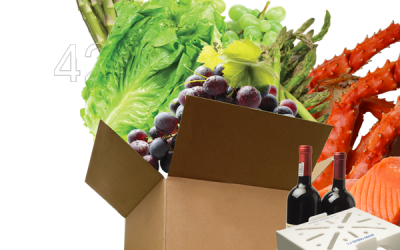
For wet vegetables such as corn, broccoli, and celery, water and ice resistance are especially important. SeaCa Plastic Packaging makes recyclable polypropylene corrugated cartons for moisture-heavy produce and seafood applications. These cartons can be custom-sized for particular commodities and handling requirements.
Recyclability is valuable, but it doesn’t mean a carton will automatically be recycled. Collection services and processing capabilities vary by location. Climate comparisons between packaging types also depend on manufacturing, material quantities, shipping conditions, and end-of-life management. A recyclable plastic carton shouldn’t be presented as emissions-free or automatically better than every other option.
Recycling and the Circular Economy
A circular economy aims to keep useful materials in circulation instead of treating them as waste after a single use. For plastic packaging, that can mean collecting used cartons, processing them into recycled resin, and using that resin in new products.
SeaCa’s CORR Cycle program follows this approach. Participating businesses collect used polypropylene corrugated cartons after products have been distributed. The cartons are sent for processing into post-consumer resin, which returns to SeaCa for use in new packaging. The cartons are recyclable and may also be reusable, although CORR Cycle specifically focuses on recovering and recycling their material.
Collection takes planning. Facilities need room to separate and hold eligible cartons, along with access to participating recycling partners. Recovery programs work only when the people handling empty cartons know where the material should go.
Practical Ways Businesses Can Reduce Plastic Packaging Waste
Start by examining where cartons are damaged, discarded, or difficult to recover:
Review material and carton size. Choose packaging designed for the product’s weight, moisture exposure, stacking needs, and shipping conditions. Oversized or poorly matched cartons may waste space or create handling problems.
Ask suppliers about recycling. Confirm what the carton is made of and which collection or processing options are available where it will be emptied. A general recycling claim is not a substitute for a workable recovery route.
Coordinate with receiving facilities. Discuss sorting, storage, and shipment of eligible materials with distributors, stores, and recycling partners. Clear responsibilities can make collection more practical.
Track results. Record how much packaging is used and how much is collected when reliable figures are available. Review applicable waste-handling rules and use the findings to guide future material and procurement choices.
Sustainable Packaging Solutions From SeaCa Plastic Packaging
Plastic pollution and climate change call for careful choices throughout the packaging lifecycle. SeaCa Plastic Packaging provides recyclable polypropylene corrugated cartons designed for wet produce, seafood, and other moisture-sensitive shipments. Its custom carton options address real packing and handling conditions, while CORR Cycle provides a collection pathway for participating customers and partners.
If your business is reviewing its packaging or waste recovery practices, contact SeaCa to discuss carton designs and recycling options suited to your operation.