Understanding Food Waste in the Supply Chain for Fresh Produce
Food waste begins long before food reaches store shelves. Across the supply chain, losses are shaped by how products are handled, stored, and transported at each stage. Food waste in the supply chain refers to edible food that is lost, damaged, or discarded before it reaches the consumer.
For fresh produce, this risk starts at harvest and builds with every handoff. From packing to distribution, fruits and vegetables face constant pressure due to their short shelf life and sensitivity to handling conditions. While food waste is often associated with leftovers thrown away at home, a significant share of global food waste happens upstream, out of public view.
Fresh produce is especially vulnerable because it remains biologically active after harvest. Fruits and vegetables continue to respire, responding to their environment as they move through the system. Temperature, humidity, airflow, and time all influence how quickly quality declines. A brief delay in cooling or a rough trip during transport can shorten shelf life by days, with small issues multiplying across pallets and truckloads.
In the food supply chain, waste rarely stems from a single failure. Instead, it develops through a series of small breakdowns that compound over time. A warm field bin, a delayed truck, a weakened box, or poor rotation at a distribution center can each push product past the point of sale. Food waste in fresh produce supply chain systems depends heavily on how well each stage supports the next.
Here, we’ll go over where food waste occurs, why it happens, and how growers, packers, and distributors can reduce it. By identifying risk points and making practical improvements – such as smarter packaging choices – businesses can protect product quality, limit losses, and move more food through the system in saleable condition.
Where Food Waste Occurs Across the Fresh Produce Supply Chain
Waste shows up differently at each stage of the produce journey. At the farm level, food loss often appears as crops left unharvested due to labor shortages, cosmetic standards, or low market prices. Produce that does not meet size or appearance specs may never leave the field, even though it is safe to eat.
After harvest, post-harvest handling becomes a major risk area. Bruising during packing, delays before pre-cooling, and exposure to warm air can all shorten shelf life. Leafy greens may wilt, while soft fruit can suffer internal damage that is not visible until later.
Storage and cold chain stages introduce their own challenges. Equipment failures, uneven airflow, or condensation inside storage areas can speed up decay. Cold chain food waste often results from small temperature swings that happen during loading, unloading, or cross-docking. These brief exposures can accelerate spoilage without anyone noticing right away.
Transportation adds another layer of risk. Food waste during transportation can stem from rough handling, poor stacking, or packaging that collapses when exposed to moisture. Transit delays can push already stressed produce past its usable window. Even when product arrives on time, damage inside the load may lead to rejection. Improving coordination between carriers, distribution centers, and packers plays a key role in reducing food waste in distribution by limiting delays, handling damage, and temperature exposure during handoffs.
At the retail level, waste often shows up as over-ordering, poor rotation, or strict cosmetic standards. Product that looks less than perfect may be pulled early, even if it still has days of shelf life. While consumers do contribute to wasted food, many retail losses trace back to earlier supply chain decisions that limited shelf life before the product arrived.
Effective food waste prevention in retail supply chains depends heavily on upstream decisions, including shelf-life visibility, packaging durability, and how much quality is preserved before product reaches the store.
Root Causes of Food Waste in the Supply Chain
The causes of food waste in supply chain operations are rarely isolated. Losses often stem from planning gaps, operational breakdowns, and quality standards that work against the realities of fresh produce. When these issues overlap, they shorten shelf life and limit how much product reaches buyers in saleable condition.
Common root causes include:
- Overproduction and inaccurate forecasting: When supply outpaces demand, surplus product moves through the system without a clear outlet. That excess volume increases handling time, pressure on storage space, and the likelihood of downgrade or disposal.
- Strict cosmetic standards: Fresh produce that is misshapen or slightly blemished may be rejected even though it is safe to eat. These standards push more product into secondary channels or waste streams, raising overall food loss.
- Cold chain gaps: Delays in pre-cooling, incorrect temperature settings, and inconsistent conditions during transport can quickly reduce shelf life. In perishable food supply chain management, even short exposures to warmer temperatures can have lasting effects.
- Packaging failures: Boxes that weaken when wet, absorb moisture, or collapse under weight expose produce to bruising and crushing. Poor venting restricts airflow, while weak stacking performance increases damage during handling and transit.
- Inventory management challenges: When first-expiring product is not moved first, usable produce sits too long and becomes avoidable food waste. Limited data sharing across partners makes it harder to identify slowdowns and address problems early.
Together, these factors drive food loss and waste in logistics operations handling perishable goods, turning small missteps into large volumes of discarded product.
Environmental and Economic Impact of Food Waste in the Supply Chain
When produce is discarded, the loss goes far beyond the product itself. Food wastage represents wasted land, water, energy, labor, and transportation. Every head of lettuce or carton of berries that never gets eaten carries the full environmental cost of growing and moving it.
As food breaks down in landfills, it releases methane, a potent greenhouse gas. Additional emissions come from the fuel and electricity used to produce and transport food that ends up as waste. For fresh produce suppliers, these impacts are tied directly to operational decisions.
The economic cost is just as real. Discarded product means lost revenue, plus extra labor for handling, sorting, and disposal. Freight costs increase when loads must be reworked or replaced. Inconsistent quality and short shipments can strain relationships with retailers and foodservice customers.
As such, reducing food waste is not just about sustainability goals. It is a practical way to improve margins and reliability across the supply chain management process. Protecting quality earlier reduces downstream costs and helps more product reach the shelf in good condition.
The Role of Cold Chain Management in Reducing Food Waste
Cold chain management is one of the most effective tools for reducing losses in fresh produce. The cold chain includes pre-cooling after harvest, refrigerated storage, transport, cross-docking, and retail back-of-house handling. Each handoff is a risk point.
Even brief temperature abuse can speed up respiration and decay. A truck door left open too long or a trailer with uneven cooling can shave days off shelf life. These losses may not be visible right away, but they show up later as shrink.
Common breakdowns include equipment failures, incorrect setpoints, and lack of monitoring. Without real-time data, problems may go unnoticed until product arrives in poor condition. Strong procedures for loading, unloading, and temperature checks help limit these risks.
Packaging plays a supporting role here. Containers that hold their shape in cold, wet conditions protect airflow and stacking integrity. When packaging supports the cold chain instead of working against it, spoilage rates drop and handling damage decreases.
How Packaging Choices Influence Food Waste in the Supply Chain
Packaging sits at the center of product protection, logistics efficiency, and temperature control. When packaging fails, produce suffers. Traditional corrugated cardboard can soften when exposed to ice or condensation, leading to crushed boxes and damaged product. Wax coatings add moisture resistance but complicate recycling.
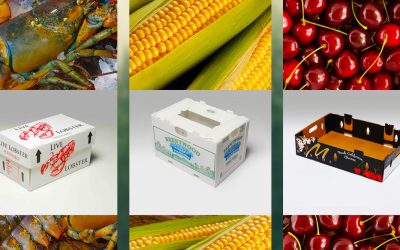
Corrugated plastic made from polypropylene offers a different performance profile. It retains strength when wet, resists temperature swings, and supports repeated handling. For operations dealing with high moisture and cold environments, polypropylene corrugated plastic packaging can reduce damage and shrink.
Design details matter. Venting patterns affect airflow and cooling speed. Drainage prevents water buildup. Strong corners and consistent dimensions improve stacking and unit-load stability. Packaging that matches the product and route reduces pressure points that lead to food spoilage.
Well-chosen packaging addresses one of the most controllable factors in the supply chain by protecting quality across every stage and reducing wasted food. For practical guidance based on real-world handling conditions, explore what it means to select the best produce containers for crops.
Practical Strategies to Reduce Food Waste in Fresh Produce Supply Chains
Reducing losses across fresh produce supply chains requires coordinated action across planning, operations, and logistics. The most effective strategies focus on preventing problems early, before quality and shelf life are compromised.
Key strategies include:
- Improve forecasting and production planning: Better demand forecasting helps limit overproduction and align supply with actual market needs. Clear visibility into orders and sales trends reduces surplus food that lacks a clear destination.
- Strengthen inventory management and rotation: Systems that track shelf life and support first-expiring, first-out movement help reduce avoidable food waste. Inventory management to reduce food waste relies on accurate data, consistent execution, and accountability at every handoff.
- Audit cold chain performance regularly: Reviewing temperature logs, inspecting trailers, and maintaining refrigeration equipment helps identify recurring issues. Addressing small temperature gaps early protects quality and prevents repeat losses later in the chain.
- Evaluate packaging performance: Packaging reviews should assess strength in wet conditions, airflow, stacking performance, and fit with handling equipment. Aligning pack sizes with customer handling needs helps reduce partial-case waste and product damage.
- Improve communication across partners: Sharing data between growers, packers, logistics providers, and retailers supports supply chain strategies for food waste reduction. When all partners understand where losses occur, fixes become more targeted and effective.
Partnering to Cut Food Waste and Strengthen Your Supply Chain
Reducing waste is an ongoing effort that benefits from the right partners at every stage of the food supply chain and packaging suppliers play a direct role in protecting product integrity. At SeaCa Plastic Packaging, we blend industry experience with a focus on real-world handling challenges in fresh produce and seafood markets. With more than 135 years of family legacy and expertise, we provide reliable, sustainable packaging solutions designed to reduce food waste by extending shelf life.
A strong packaging partner brings more than materials. That’s why we work closely with customers to tailor packaging materials, dimensions, venting patterns, and printing to the specific demands of the products and the supply chain conditions they will face. These design decisions influence airflow, moisture management, stack strength, and how well cold chain conditions are maintained throughout transport and storage.
Understanding how different types of packaging perform across these environments is critical when reducing damage and spoilage early in the process. Our approach centers on polypropylene corrugated packaging, a material engineered for resilience in wet conditions, cold environments, and demanding logistics routes. Unlike cardboard that can weaken or collapse under moisture, these packages maintain structural integrity and protect perishable goods against physical damage, external contamination, and temperature fluctuations – factors that directly contribute to food waste during transportation and cold chain food waste.
Our custom solutions are designed to support supply chain partners in achieving both operational and sustainability outcomes. Because our corrugated plastic is recyclable, food contact grade, waterproof, and chemical-resistant, it aligns with growing industry emphasis on reducing waste while controlling packaging’s environmental footprint. This allows businesses to move away from single-use packaging that often ends up in landfill and transition to durable, recyclable e packaging that helps reduce shrink, minimize repacking labor, and keep materials in circulation longer with PCR being reintegrated into new cartons.
Selecting the right packaging partner is about choosing someone who understands how packaging fits within broader supply chain management and quality preservation strategies. That means looking for collaborators with proven performance in fresh produce handling and storage, with materials and designs that improve perishable food supply chain management and reduce points where loss and quality degradation occur.
Our team works with growers, distributors, and retailers to craft solutions that meet both logistics demands and sustainability goals. Whether it’s optimizing carton design for climate conditions or incorporating high-definition branding that enhances shelf appeal, our services are built around reliability and high performance.
Contact SeaCa Plastic Packaging today and explore our packaging options designed to fit your business needs, shield product quality, and reduce waste across your supply chain.