Wasteful packaging creates problems long before a box reaches the customer. It drives up material costs, takes up extra warehouse space, reduces freight efficiency and adds more packaging waste to the supply chain. For companies that ship fresh produce, seafood or other cold-chain products, poor packaging decisions can also raise the risk of product damage and spoilage.
Wasteful packaging is any packaging system that uses more material, space or layers than needed to protect and move a product safely. That may include oversized boxes, excessive void fill, unnecessary inserts, extra plastic wrap or packaging materials that cannot be recycled after use.
The goal is not to remove protective packaging. Products still need to arrive intact, clean and safe. The smarter goal is packaging optimization: using the right carton, material and design for the product, the supply chain and the customer’s sustainability goals.
What Is Wasteful Packaging and Why Is It a Growing Problem?
Wasteful packaging often comes from a mismatch between the product and the package. A small item may be placed in a box three times larger than needed. A package may include several layers of filler, inserts and outer packaging even when one strong, right-sized container would work better. In wet veg and cold-chain produce shipping, wasteful packaging can also happen when cartons cannot handle moisture, ice or cooling processes without breaking down.
Overpackaging has become more common because of e-commerce growth, high-volume fulfillment and standardized box inventories. Many companies use a limited range of box sizes because it keeps packing lines moving. That may be fast, but it can also lead to oversized shipping boxes, excess void fill and poor freight utilization.
Wasteful packaging affects businesses and consumers in several ways. Businesses pay for extra packaging material, more warehouse space and less efficient transportation. Consumers deal with harder-to-open packages, more disposal and frustration with brands that appear careless about waste.
The difference between necessary protection and wasteful packaging comes down to performance. Necessary packaging protects the product, supports handling and fits the logistics process. Wasteful packaging adds material or space without improving protection, freshness or delivery performance.
Common Examples of Wasteful Packaging Across Industries
One of the clearest examples of wasteful packaging is a small product shipped in a large corrugated box filled with air pillows, paper or foam. The product may arrive safely, but the shipping system used far more material and space than required.
Multi-layer packaging is another common problem. Some products are packed in primary packaging, then placed in secondary packaging, then placed inside a larger shipping container with inserts and filler. In retail, oversized packaging is sometimes used to create shelf presence or support branding, even when the larger format does not improve product protection.
Wasteful packaging appears differently across industries. E-commerce companies often struggle with oversized shipping boxes and excessive void fill. Electronics brands may rely on heavy inserts or multi-layer packaging to protect small, high-value items. Cosmetics and personal care brands sometimes use decorative packaging that adds bulk without much functional value. Food packaging may include single-use materials that are difficult to recycle.
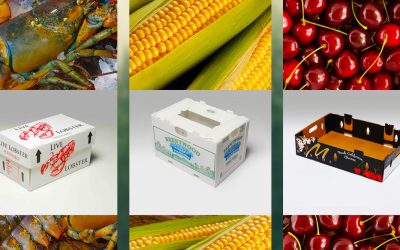
In agriculture and seafood shipping, packaging waste can come from cartons that fail before the end of the cold chain. Wet veg such as corn, broccoli, celery and cilantro often goes through a hydro-shower or ice-injector before it reaches the cooler and moves through distribution. If the packaging absorbs moisture, weakens or collapses, the result can be damaged product, unstable pallets and more replacement packaging.
A carton that fits the product and holds up through moisture, ice, refrigeration and transport can reduce waste without sacrificing protection.
The Environmental and Operational Costs of Wasteful Packaging
Wasteful packaging creates both environmental and operational costs. Larger packages take up more room in trucks, containers, pallets and warehouses. When fewer products fit into each shipment, companies may need more trips, more fuel and more handling to move the same amount of product.
That creates a direct logistics problem. Freight costs are often influenced by package size as well as weight. Oversized packaging can increase dimensional weight charges and reduce the value of every pallet position. In a warehouse, bulky packaging takes up storage space that could be used for more inventory or more efficient staging.
The environmental cost is also clear. Excessive packaging uses more raw material. Single-use packaging and unnecessary filler increase disposal volume. Packaging that cannot be recycled may end up in landfills after one trip through the supply chain.
For produce and seafood companies, the stakes are higher because packaging must perform in cold, wet and demanding environments. Wax corrugated cartons have long been used in parts of the wet veg industry, but they are often difficult to recycle through conventional paper recycling streams. They can also lose strength when exposed to moisture, ice and long shipping cycles.
By contrast, recyclable polypropylene corrugated cartons are built for cold-chain performance. They resist water and ice, maintain strength through demanding handling and can support a more sustainable packaging lifecycle.
How Businesses Can Reduce Wasteful Packaging
Reducing wasteful packaging starts with right-sized packaging. A right-sized carton fits the product closely enough to reduce empty space while still allowing the product to breathe, cool and move safely through the supply chain.
For fresh produce, this is especially important. Corn, broccoli, celery and cilantro have different packing, cooling and handling requirements. A standard box may not offer the best fit for every commodity. Custom carton design helps businesses improve space efficiency, reduce unnecessary packaging material and support smoother palletizing.
Accurate product data also matters. Companies need reliable information about product dimensions, pack counts, pallet patterns, storage conditions and shipping requirements. Without that data, packaging decisions often rely on guesswork. Guesswork leads to oversized cartons, excessive void fill and inefficient freight. Right size packaging eliminates guesswork and ensures the carton is efficient for both the product being packed, along with logistical steps.
Businesses can reduce wasteful packaging by reviewing the full packaging system, not just the individual box. Useful steps include reducing unnecessary layers, consolidating shipments where practical, improving carton engineering and choosing recyclable materials that match the operating environment.
For cold-chain produce and seafood, moisture resistance should be part of that review. A carton may look efficient when it is dry, but fail after exposure to ice, water or refrigeration. Packaging optimization should account for real-world use, including hydro-showers, ice-injectors, cooler storage and long-distance transportation.
Companies looking for sustainable packaging solutions should focus on packaging that reduces waste while still protecting the product. A weaker package that fails in transit is not sustainable. It can create more product waste, more cleanup, more replacement packaging and more customer complaints.
Why Recyclable, Durable Packaging Systems Reduce Long-Term Waste
Reducing packaging waste is not only about using less material. It is also about using better packaging materials for the job.
In wet veg, seafood and other cold-chain industries, cartons must handle moisture, temperature changes, stacking pressure and transportation stress. If a carton begins to soften, sag or collapse before delivery, the packaging has failed even if it used less material at the start.
Durable polypropylene corrugated cartons help address that issue. They are water- and ice-resistant, which makes them well suited for commodities that move through wet cooling systems and refrigerated storage. They also maintain strength across the cold chain, helping protect product quality from packout to delivery.
SeaCa Plastic Packaging provides custom corrugated plastic boxes designed around customer needs. For farmers and packers, that means cartons can be built to match the commodity, pack style, pallet pattern and distribution process.
This type of right-sized design supports better freight efficiency. More consistent carton dimensions can improve pallet stability, reduce wasted space and help products move through warehouses and transportation networks with fewer issues.
The sustainability benefit comes from recyclability and lifecycle performance. SPP’s polypropylene corrugated boxes are 100% recyclable, and the company’s CORR program supports collection and reconstruction into new packaging. That helps keep material in use and gives customers a practical alternative to non-recyclable wax corrugated solutions.
Smarter Packaging Materials and Sustainable Alternatives
No single packaging material is right for every product. Businesses need to compare durability, recyclability, cost, moisture resistance, food safety requirements and protective performance before choosing a packaging system.
Paper-based packaging may work well in dry environments, but it can struggle in wet or icy supply chains. Foam and plastic filler may protect products during shipping, but they can add disposal problems and make packages harder to recycle. Lightweight packaging may reduce material use, but it can create more waste if it fails under real shipping conditions.
For wet veg and seafood, recyclable polypropylene corrugated packaging offers a strong balance of performance and sustainability. It is light, durable, moisture resistant and recyclable. It can also be custom made to support specific produce and seafood applications.
This is where packaging solutions should be judged by total performance, not only by material volume. A good packaging system should reduce unnecessary material, protect the product, improve shipping consistency and support end-of-life recovery.
Companies should also consider how packaging affects labor and handling. A stronger, cleaner, more consistent carton can make packing, stacking, cooling, storage and delivery more efficient. In large-volume produce operations, those small gains can matter across thousands or millions of cartons.
For businesses that depend on cold-chain movement, logistics packaging should help products move through the supply chain with less damage, less instability and less wasted space.
Why Sustainable Packaging Strategies Matter for the Future
Packaging decisions now affect more than product protection. They influence costs, freight efficiency, sustainability goals and customer perception. Consumers, retailers and regulators are paying closer attention to packaging waste, recyclability and material choices.
Businesses that continue using excessive packaging may face higher costs and growing pressure to improve. Wasteful packaging can signal poor planning, especially when customers see oversized boxes, unnecessary filler or materials that are difficult to recycle.
Smarter packaging supports stronger long-term business goals. Right-sized cartons help reduce excess space. Recyclable materials support sustainability programs. Durable packaging helps protect products during storage, cooling and transportation. Custom designs help companies match packaging to actual operating needs instead of forcing products into standard boxes that may not fit.
For wet veg growers, seafood companies and other cold-chain shippers, sustainable packaging must work in demanding conditions. It needs to handle moisture, ice, stacking, handling and transport. It also needs to support efficient packing and reliable delivery.
SeaCa Plastic Packaging brings that practical focus to packaging sustainability. Its polypropylene corrugated cartons are designed for agriculture, seafood and other industries where strength, moisture resistance and recyclability matter. The company’s long history, customer-focused service and quick lead times make it a strong partner for businesses that need dependable packaging without unnecessary waste.
Wasteful packaging is not just an environmental issue. It is a cost issue, a logistics issue and a product protection issue. By using recyclable, right-sized and durable packaging systems, companies can reduce waste, improve supply chain efficiency and support stronger sustainability outcomes.
To learn more about SeaCa Plastic Packaging’s commitment to sustainability and custom polypropylene corrugated cartons, contact SeaCa Plastic Packaging.