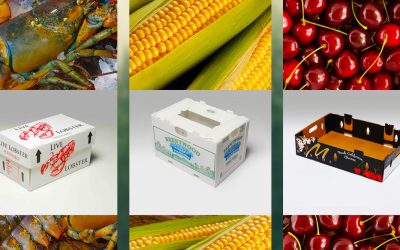
Sustainable packaging in agriculture isn’t just about reducing waste — it’s about protecting perishable products in some of the harshest real-world conditions without compromising performance. When it comes to sustainable packaging innovations or the use of sustainable materials in agricultural packaging, this category differs from general food packaging by focusing on preserving living or perishable products, often immediately after harvest.
Unlike manufactured food or dry goods, agricultural products, like vegetables and fruit, are perishable, meaning packaging must be specifically designed to meet more rigorous agricultural performance demands. Agricultural packaging must also work in real-world shipping conditions and be able to withstand compression when stacked on pallets, be moisture resistant for icing and washdowns, provide ventilation for product freshness, and be consistent in terms of transport efficiency. All these factors are vital in agricultural packaging design.
Consequently, the agriculture industry presents some unique challenges, making sustainability harder than it is when packaging dry goods. The following are several of the most commonly noted challenges for sustainability and innovation in agricultural packaging:
- Constant exposure to water, ice and condensation
- Cold chain storage and temperature swings
- Frequent handling from the field, to pack, to distributor, to retail
- Long transit distances where packaging failure increases food waste
- Food-contact expectations that limit certain coatings or additives
Quantifying packaging waste reduction strategies requires passing a three-part design test. To find out if a particular packaging option works for packaging waste reduction strategies, answer the following questions related to each packaging option:
- Does it reduce overall waste without increasing product damage or spoilage?
- Does it improve sustainable logistics efficiency, considering factors like better stacking, lighter loads and fewer repacks?
- Does it have a realistic end-of-life pathway, such as reuse, recycle and compost when available?
To sum up, agricultural food packaging must include specialized designs to protect against biological, physical and environmental stressors. Whereas general food packaging is often focused more on consumer aesthetics and being shelf-ready, agricultural packaging must prioritize durability and performance. Also, agricultural packaging often has to meet high-volume needs for bulk quantities and have closed-loop packaging systems, which is another distinction between it and standard packaging for dry products.
MATERIAL INNOVATIONS THAT REDUCE WASTE WITHOUT SACRIFICING PERFORMANCE
As previously mentioned, agricultural packaging requires unique design modifications and presents a challenge when seeking how to reduce packaging waste in agriculture. Thankfully, material innovations have effectively reduced waste without sacrificing necessary performance metrics. Before looking at what is on the horizon of innovation, it’s important to consider why typical eco-materials or biodegradable packaging materials that are designed for waste reduction often fail when it comes to wet/cold chain applications. Following are some common areas where eco materials can fail:
- Structural Collapse and Moisture Absorption: Paper-based materials, which are inherently hygroscopic, are an eco-friendly packaging option. However, they can fail in cold chains, due to condensation causing sogginess and reducing strength, which ultimately leads to structural failure.
- Cracking and Brittleness: Bio plastics and PLA (polylactic acid) can become brittle and rigid at low temperatures. This can lead to cracking during transport.
- Bio-Foam Insulation Degradation: Biodegradable foams often fail to maintain thermal integrity.
- Poor Performance in Deep Freeze: Molded fiber often fails when in an extended cold chain process or in a deep freeze state.
In addition to these common failure points of traditional eco-friendly packaging, it’s also important to understand the difference between recycled and compostable packaging infrastructure or reusable materials. In agriculture, reusable materials are highly valued due to their low life cycle impact. Recycled packing is the next best option, with compostable being applicable only when certified for industrial composting. This means reusable packaging has the highest value in agriculture overall.
The following are some key elements of packaging sustainability performance metrics and material innovations that have helped reduce waste without sacrificing performance or running into the common problems previously outlined as it relates to agricultural usage:
- Higher recycled content in post-consumer or post-industrial phases in durable substrates, where feasible, means a reduction in virgin material usage. Of course, all materials being considered must meet food-contact and performance requirements.
- Mono-material packaging design, which is easier to recycle when compared to mixed-material composites. This type of design simplifies recovery and improves compatibility with existing recycling programs.
- Alternative fibers and molded fibers where moisture exposure is limited or managed are better suited for dry or secondary applications rather than in wet-cold chain use.
Bio-based and compostable materials must consider the reality of performance plus available composting infrastructure. This means that compostable only works when disposal systems exist. More sustainable design depends on fit-for-use and end-of-life options, as packaging failure can increase food waste. To determine if a design option is ideally suited for agriculture, consider the following simple decision heuristic:
- Wet/cold chain: prioritize moisture-resistant, recyclable or reusable materials
- Dry/short haul: fiber or compostable may be viable if infrastructure supports it
DESIGN INNOVATIONS FOR AGRICULTURE PACKAGING: LIGHTWEIGHTING, RIGHT-SIZING AND STACKABILITY
Design innovations effectively reduce the material used while maintaining packaging strength. Packaging can change pallet density, freight efficiency and even damage rates. Lightweight, properly sized packaging design reduces material usage and eliminates unnecessary packaging volume. Specific design features beneficial for the agriculture industry include reinforced corners, pallet-consistent footprints, high stack strength, handholds, proper ventilation for airflow and necessary drainage for wet handling.
Sustainability, more than the material itself, should be defined by measurable outcomes. This means lower material consumption, fewer damaged loads, improved freight efficiency, reduced repacking requirements and less reliance on single-use formats should be considered when defining sustainability. The following are some rollout validation steps to consider when considering a particular package design:
- Compression Testing: This type of testing measures the ability of packaging to withstand the typical forces experienced during stacking in transportation or warehouse storage. The goal is to determine the maximum stacking strength and ensure the bottom package on the load does not collapse. This can include box compression testing, or BCT, or pallet compression testing (ISO 12048).
- Real Field Trials: On-farm field or real-world trials test packaging within the actual environment to evaluate packaging during harvesting, loading and initial transport. This also considers the interaction between specific crop types.
- Cold Storage Exposure: This aspect of the process considers if packaging material becomes brittle at low temperatures and evaluates how well it protects products during refrigeration, including humidity resistance and condensation-related degradation.
- Handling Simulation: The final validation step includes handling simulations like drop, vibration and concentrated impact testing. This effectively considers the structural integrity of the packing when it is being moved, being transported over rough terrain or dropped. This testing is based on ASTM D4169 standards.
REUSE AND RETURN SYSTEMS: MOVING FROM SINGLE-USE TO CIRCULAR AGRICULTURE PACKAGING
The agriculture industry has shifted from linear, single-use (take-make-dispose) models to reusable transport packaging (RTP) or reuse and return systems, like returnable packaging for food distribution. RTP is a major sustainable innovation within agriculture and has effectively replaced single-use boxes and containers. This type of reusable packaging can include harvest totes or lug boxes, bulk bins and returnable plastic containers (RPCs), which are collapsible, standardized containers that are durable enough for retail distribution and numerous supply chain cycles.
Operational requirements that determine the success of circular packaging solutions include the following aspects:
- Reverse Logistic Planning: A workable circular flow for reusable packaging includes establishing an efficient circular flow where reusable packaging is returned, sanitized and redeployed.
- Inspection and Repair Workflows: This includes inspection of all bins or RPCs to ensure there is no physical damage like cracks or broken pieces. This can also incorporate repairs to the packaging for reuse.
- Wash and Sanitation Protocols: A mandatory four-step process: rinse, wash, rinse and sanitize must be followed. It should also include sanitizer control for food contact and drying of the containers.
- Storage and Staging Space: This includes protecting the containers in storage after they have been cleaned and sanitized. It is all part of the workflow, going from inspection to washing and repairing to storage.
- Controls: Lastly, controls should be put into place in the form of tracking technology or policies to train workers to clean, sanitize and/or repair packaging.
RECYCLING-READY AGRICULTURE PACKAGING: DESIGNING FOR RECOVERY AND CLEANER STREAMS
When it comes to creating packaging systems, the overall design should be recycle-ready. This means ensuring compatibility with existing recycling infrastructure and using mono-materials like PP or PE, rather than mixed material options. Common challenges in agricultural packaging include the presence of wet residue or organic matter and difficulty in recovery and logistics surrounding the process.
Polypropylene corrugated plastic producing packaging is often used in agricultural supply chains because it supports sustainability goals. Good design for recycling should include minimizing unnecessary add-ons, such as keeping closures and printing considerations for compatibility with recycling practices in mind for various types of packaging. These should be avoided in order to prevent interference with the recycling process. Recovery reliability is also important, and this can be addressed by enacting consistent collection practices, ensuring partner and vendor alignment and having clear end-user handling instructions in place to reduce disposal confusion and encourage participation in addition to being moisture-resistant recyclable packaging.
PRINTING AND BRANDING INNOVATIONS THAT SUPPORT SUSTAINABILITY GOALS
The reality in the agriculture sector is that shifting crop programs and buyer requirements do exist and there is a constant need for a quick turnaround. At the same time, it’s been stated that having too many materials or difficult to remove stickers is not ideal when it comes to recycling. So, what’s to be done? Thankfully, there are printing options that move away from the traditional plate printing, which can include chemicals and offer alternatives to older, less-sustainable options for printing needs.
A good way to create a sustainable packaging solution and still get a brand name out there, along with variety IDs, handling marks, SKUs and more, is through digital printing, which offers shorter runs for quicker printing. It can also be easily changed for seasonal products, include multiple SKUs and effectively reduces excess or obsolete packaging inventory. Of course, any printing option should remain compatible with recovery goals and avoid any unnecessary mixed materials or add-ons.
IMPLEMENTATION CHALLENGES AND HOW TO DE-RISK SUSTAINABLE PACKAGING CHANGES
Unfortunately, anything worth doing is very rarely easy and moving towards more sustainable packaging will also come with some challenges. Common friction points include:
- Cost structure shifts as a brand moves away from legacy formats
- Uncertainty about how a package will perform in wet or cold chain requirements
- The need to vet suppliers for qualifications
- Limited recycling or composting infrastructure
- Uneven adoption across growers, packers, shippers and retailers impacting post-consumer recycled packaging
Thankfully, the entire process can be made less risky with a clear rollout plan, which should include the following steps:
- Start with pilot lanes or packaging pilot programs
- Define clear pass or fail performance standards (moisture resistance, stack strength and damage rates)
- Confirm packaging line compatibility
- Run transport trials
- Gather structured partner feedback before scaling
- Connect with recycling partners
It’s also important to maintain documentation and claims discipline in order to validate recyclability or compostability against the reality of the local infrastructure. It’s also good to avoid any unsupported environmentally responsible packaging design claims and to provide clear disposal instructions. It’s helpful to note all the issues outlined below as part of a handy cross-functional checklist for integrating food safety and operational management with sustainability:
- Food Contact Compliance: All packaging materials should be approved for food contact and adhere to FDA or international standards.
- Operational Handling and Functional Performance: This includes a physical test for durability against mechanical damage, light and moisture. It can also include operational integration, defect inspection, reusability and storage issues.
- Marketing and Labeling: This would include validated claims in labeling and required information such as producer name and net weight, along with applicable labeling rules.
- Sustainability and Environmental Reporting: This would include documenting the type of packaging material used and verifying recyclability as well as verifying the biodegradable nature of materials as well as compliance with waste reduction regulations and other scalable sustainable packaging models.
HOW TO CHOOSE THE RIGHT SUSTAINABLE PACKAGING INNOVATION FOR YOUR OPERATION
At this point, most businesses will understand their need to adopt some of these sustainable packaging innovations. However, figuring out what type to implement first can be challenging. After all, material upgrades, structural design changes, reusable transport systems, better recovery and collection programs and a change in printing strategies to reduce industry waste are all applicable strategies to move towards sustainability.
It’s a good idea to pilot and measure these changes before scaling by tracking damage rates, spoilage reduction, packaging waste outcomes, and operational impacts, such as labor and turnaround time. For the best chance of success and to learn more about creative food packaging ideas, connect with us at SeaCa Plastic Packaging. We are packaging specialists who can help you evaluate your lane-specific needs and implement solutions that will improve sustainability, without sacrificing any performance. Contact us today to learn more.